Introduction: Major US Tariffs on India
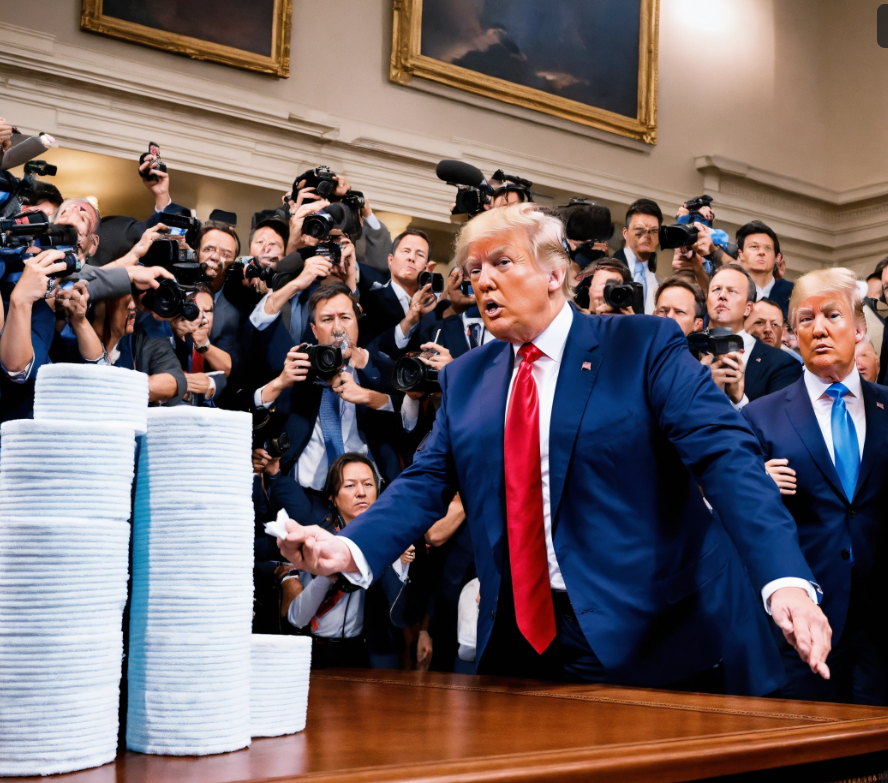
The United States, led by President Trump in 2025, imposed sweeping tariffs—up to 50% on all major Indian exports. This move affected sectors like textiles, chemicals, auto components, and jewelry, causing immediate ripples across Indian financial markets and the international trade landscape.
What Are the Trump Tariffs?
- Effective date: August 27, 2025
- Scope: Textiles, chemicals, auto parts, gems, jewelry, footwear, and furniture faced new duties
- Exempted sectors: Pharmaceuticals, electronics, semiconductors, and energy products remain unaffected
- Primary keywords: Trump tariffs India, Indian stock market, global economy impact, US-India trade.
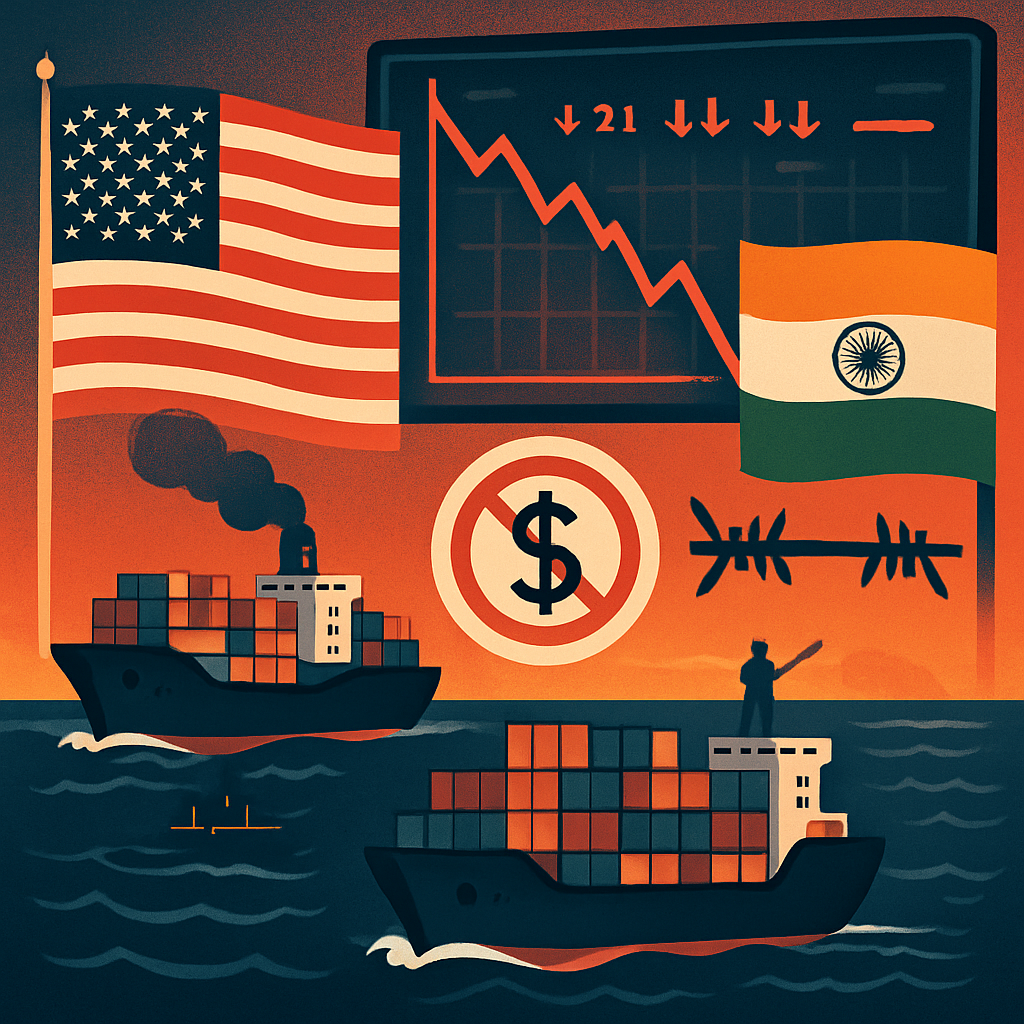
Short-Term Impact on India’s Stock Market
Indian stock indices responded quickly:
- Sensex: Dropped over 260 points on the news, with further losses in the days that followed
- Nifty50: Pulled below 24,800, reflecting widespread bearish sentiment
- Most affected sectors: Export-driven companies in textiles, chemicals, auto components, and mid-sized enterprises faced declines
- Resilient sectors: IT, FMCG, and banking, with less exposure to US tariffs, demonstrated relative stability
- Exports hit: India’s global export competitiveness is under pressure, with up to a 70% drop expected in some sectors
- GDP forecast revision: Analysts have revised GDP growth downward, with $4-5 billion of lost export value anticipated in engineering and manufacturing
- Rupee weakness: Pressure on the exchange rate has raised concerns over inflation and higher borrowing costs
- Government response: The Modi administration is prioritizing MSME support, ramping up GST reforms, and seeking diplomatic talks to reverse the tariffs.
Worldwide Economic Consequences
- Inflation risk: Higher costs and disrupted supply chains threaten global price stability
- Trade flows: India’s exports to the US could fall by half, impacting jobs and economic growth throughout Asia.
- Trade wars: Counter-tariffs and retaliatory measures risk further shrinks in world trade, making global cooperation more difficult.
Future Outlook and Adaptation
- Potential reversal: Some experts predict the policy will not last, as pressure mounts for negotiation and economic damage becomes clearer.
- India’s strategy: Diversifying export destinations, strengthening domestic industry, and focusing on affected sectors are emerging as key priorities.